




Redefining Radiology Through Intelligent Automation
Revolutionizing Healthcare with
Advanced AI Technology
What Is Radilect?
Radilect is an AI-driven radiology reporting platform built to help radiologists accelerate documentation, enhance diagnostic accuracy, and reduce reporting time from minutes to seconds.
AI-Powered
Report Generation
With Radilect, radiologists can speak
or upload scans and get a complete,
AI-generated report. It saves time and
ensures precision without manual
data entry.
Smart Imaging Analysis
& Medical Accuracy
Radilect interprets scans and
generates relevant findings and
impressions backed by up-to-date
medical literature to support clinical
confidence and decision-making.
Customizable Reports
AI-generated reports can be
customized to match radiologist
preferences and institutional
standards, with key clinical details
kept secured.
About Odigent
Pioneering
Cancer
Detection Technology
Through innovation

Odigent is a Los Angeles–based medical technology company pioneering innovations at the intersection of biotechnology, artificial intelligence, and human health. We specialize in developing advanced diagnostic devices and AI-powered software solutions designed to help doctors detect, analyze, and prevent disease earlier and more accurately. From cutting-edge radiology tools like Radilect AI to next-generation colon health technologies inspired by founder Mark Kelley’s personal cancer journey, Odigent’s mission is clear: to place people at the center of technology by creating smarter, more accessible solutions that empower clinicians and save lives.
Our Mission
Odigent is a pioneering medical technology company dedicated to developing innovative products and solutions for the biotechnology and healthcare sectors. Our focus is on revolutionizing medical diagnostics, accelerating documentation, and advancing personalized medicine through state-of-the-art technologies and research.
Our Approach
At Odigent, we integrate scientific expertise with cutting-edge technologies to address critical challenges in medical and biotechnological fields. We are committed to pushing boundaries, exploring new frontiers, and delivering impactful solutions that have the potential to transform the medical and biotechnology industries.


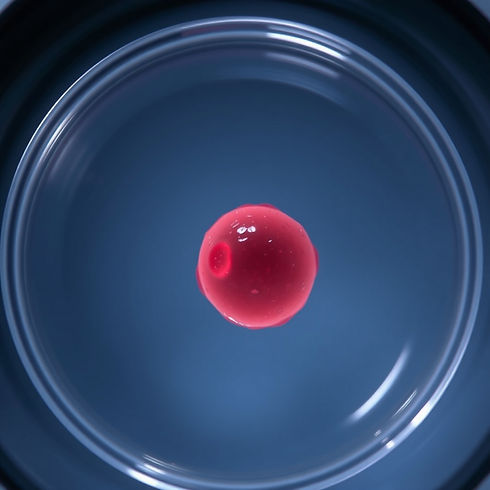
Your whole life is contained in this single cell. Your DNA gives the code, your genes provide the instructions to create proteins, your proteins make the cell. In a perfect world...

What if we could collapse the network that tumors create to grow and spread? What if we could tell you, based on your mutation grouping, all there is to know about your cancer/tumor so your treatments can be more personalized? THAT'S OUR BRIGHT IDEA!!
Our Innovations
Current Projects
Colon Mapping System
A laser-mapping colonoscope integrates real-time optical scanning with micro-sampling to create a 3D, coordinate-tagged atlas of the colon. A low-power scanning laser system (OCT / Confocal / Raman) maps the mucosal surface while a micro-aspiration or soft brush port collects superficial cells from mapped regions. Each cell sample is automatically linked to its exact spatial location within the colon for genomic, proteomic, or microbiome analysis.

Neuropathy Glove
The Chemo Neuropathy Glove is a sleek, lifestyle-oriented wearable designed to help chemotherapy patients manage cold-induced neuropathy. By combining advanced materials with ergonomic design, it provides continuous protection and warmth without sacrificing mobility or style. This glove integrates space-age insulation and heat-retaining fabrics into a minimalist, everyday form suitable for cooking, housework, or outdoor use.

M.S.S.I. Initiative
Master Survival Switch Inhibitor (MSSI): A Unified Strategy to Suppress ERK- and NF-kB-Dependent Anti-Apoptotic Networks in Apoptosis-Resistant Solid Tumors. A subset of solid tumors exhibit profound resistance to chemotherapy through activation of MAPK/ERK,, NF-kB, and CDK9-dependent survival transcription. These pathways stabilize anti-apoptotic proteins MCL-1, BCL-XL, Survivin, XIAP, and c-FLIP. Tumors with NRAS/KRAS activation, APC loss, TP53 loss, and SMAD4 loss depend heavily on this survival cluster. We are developing a unified upstream strategy needed to collapse this network.

C.R.A.E. (pronounced "cray")
CRAE (Cancer Recurrence Architecture Engine) transforms genomic, pathology, staging, and treatment data into a personalized, educational model of recurrence architecture using A.I.It explains how a patient’s cancer behaves biologically — without diagnosing or guiding treatment.

